The rise of cryptocurrencies and digital financial services has opened the door to new forms of economic freedom, but also to an alarming increase in fraud, crypto scams, phishing attacks and more.
In this article, we tell you which threats are most common in 2026 and how to protect yourself from them.
Why are online scams increasing in 2026?
Growing crypto adoption and the popularity of digital wallets have made the financial ecosystem a priority target for cybercriminals. With tools like generative artificial intelligence and deepfakes, it is now easier to create convincing deceptions, from fake identities to cloned websites.
Main types of crypto scams and digital fraud
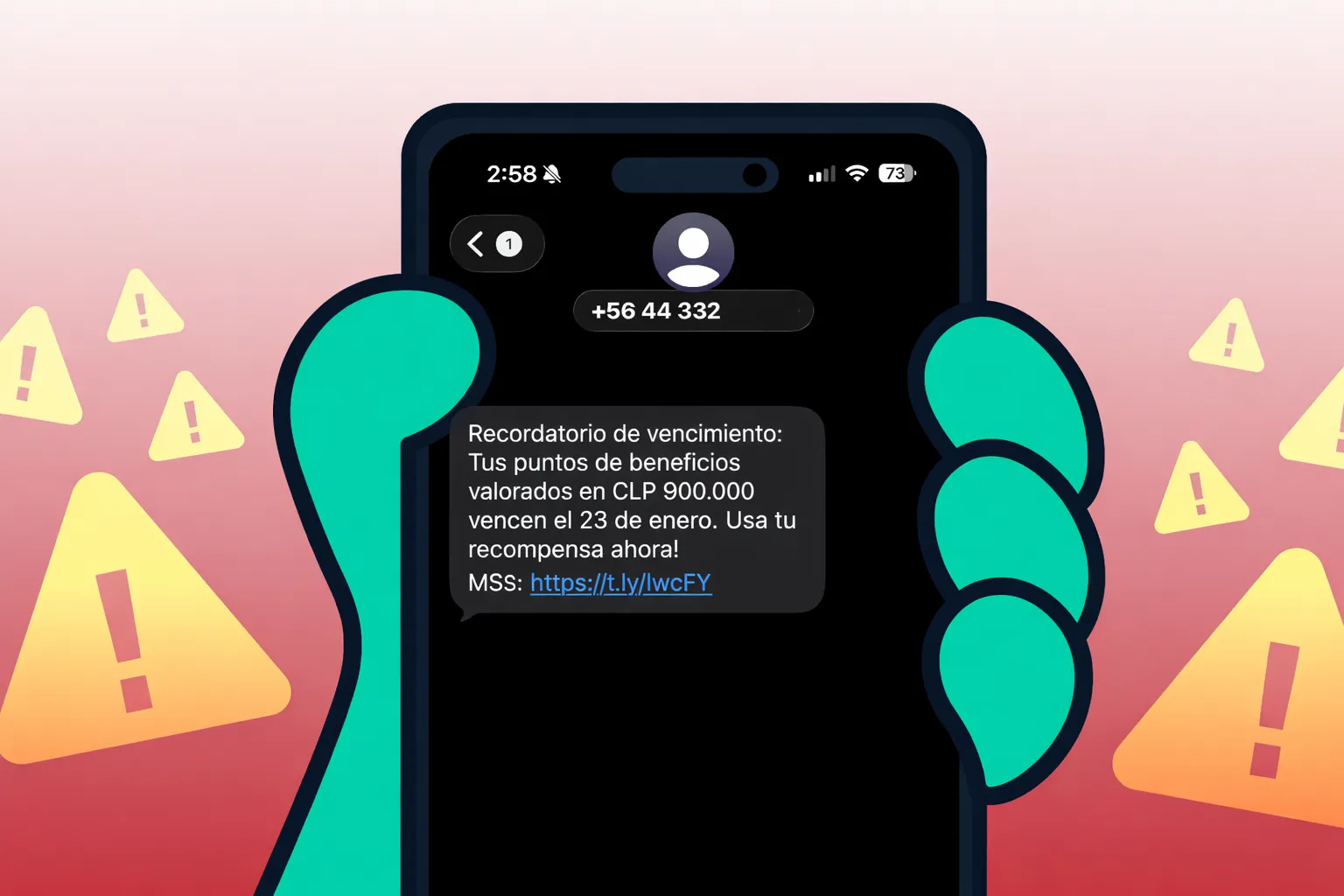
- Phishing via email, social media or SMS: scammers impersonate a company or platform and ask you to "verify your account" or access "a limited-time offer", and when you click, you hand over your data without realizing it.
- Guaranteed investment or trading scams: they promise you sure profits with "automated bots" or "secret projects". They ask you to transfer funds to an address and then disappear.
- Cloned apps and websites: they copy the exact design of official apps to steal your data. They often appear in unofficial app stores or through links shared on social media.
- Fake airdrops and giveaways on social media: verified or legitimate-looking accounts are used to ask you to "connect your wallet" or send a small amount to receive a bigger prize.
- Rug pulls: developers promote a token or collection, raise funds from investors and then abandon the project, taking all the money. This is common on platforms without audits or with opaque smart contracts.
- Address poisoning: the attacker creates addresses that end with the same characters as yours and makes them show up in your transaction history (for example, with small deposits) to make you believe you are sending funds to your own wallet, when you are actually sending them to a different address.
Warning signs of a possible scam
- Pressure to act fast or "not miss the opportunity"
- Requests for your seed phrases or private keys
- Promises of fixed or "risk-free" returns
- Emails or messages with spelling mistakes and strange URLs
- Apps or websites without HTTPS or that do not appear on official channels
How to protect yourself in 2026
- Use trusted, verified digital wallets like Skipo, which has two-step authentication and active monitoring.
- Never share your private keys or seed phrases, not even with technical support.
- Turn on two-factor authentication (2FA) on all your accounts.
- Check that websites have security certificates (https) and look carefully at the URL.
- Educate the people around you: many scams work through trust ("a friend sent it to me").
Conclusion
The digital ecosystem is evolving fast, and so is fraud. Staying informed is your best defense. Whether you are taking your first steps in crypto or are already an active user, make sure you use secure tools and platforms registered with the CMF, like Skipo. Prevention starts with choosing a good platform.